FHN
FHN 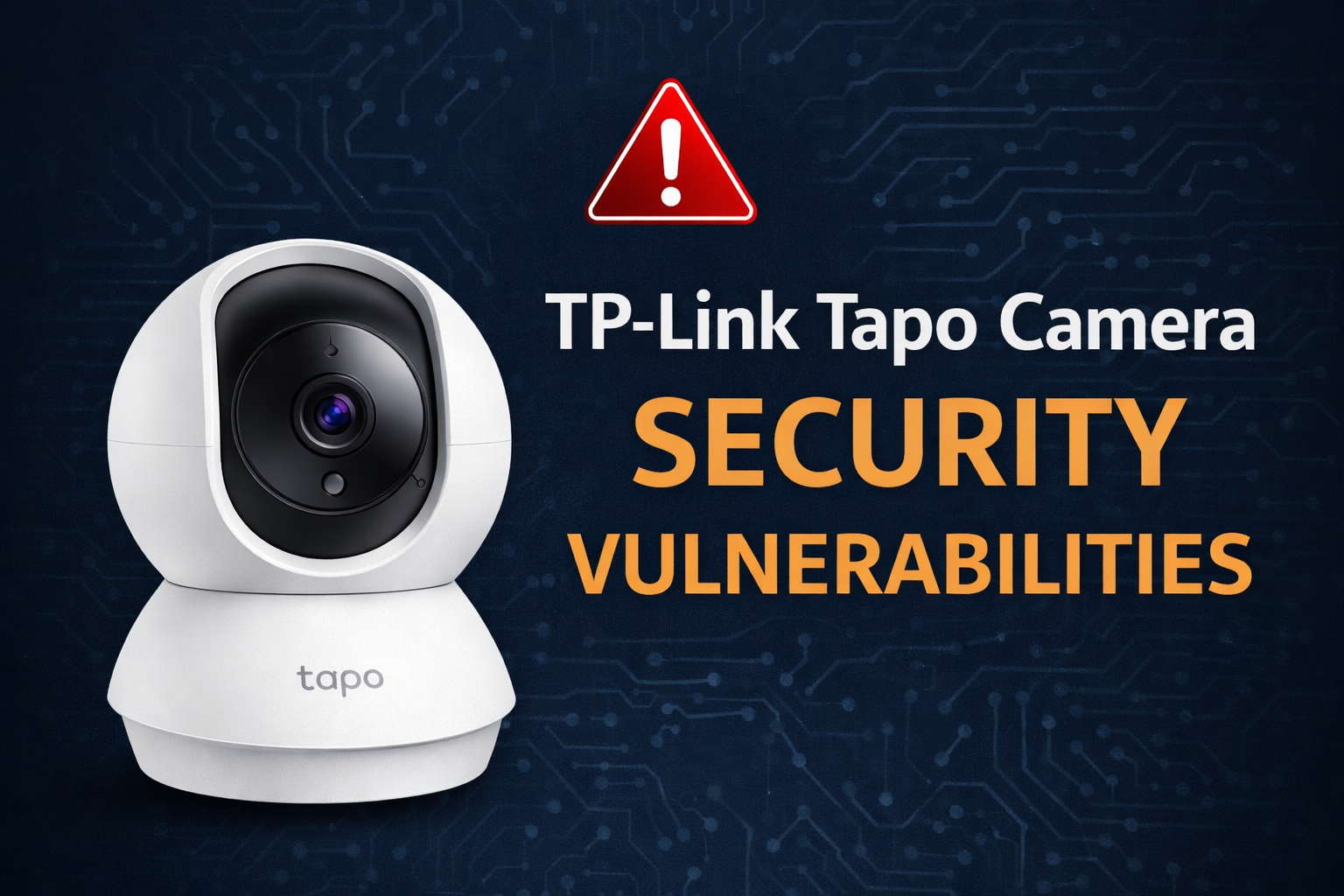
TP-Link has fixed multiple serious security issues affecting the Tapo C520WS security camera. These devices are widely used for surveillance, so any weakness can directly impact both home and business security.
If attackers are able to crash the device or change its configuration, it can disrupt monitoring and create security gaps. This makes it important for users to install the latest firmware updates as soon as possible.
Multiple Memory Handling Flaws
Several vulnerabilities were discovered in how the camera processes incoming data. These issues are mainly related to improper validation of HTTP requests and video stream inputs.
Because the system does not correctly check data size limits, an attacker on the same network can send specially crafted inputs that overflow memory and cause instability.
The identified issues include:
- CVE-2026-34118: Weak validation in HTTP POST request handling after memory allocation
- CVE-2026-34119: Improper handling of segmented HTTP request data without boundary checks
- CVE-2026-34120: Insecure processing of video stream inputs leading to overflow
- CVE-2026-34122: Stack-based overflow caused by oversized configuration values
- CVE-2026-34124: Path expansion issue where processed request paths exceed memory limits
These vulnerabilities can lead to memory corruption, causing the device to freeze, crash, or reboot, resulting in denial-of-service conditions.
Authentication Bypass – Critical Risk
The most severe issue in this set is an authentication bypass vulnerability.
- CVE-2026-34121: Allows attackers to bypass login checks
This flaw exists due to inconsistent validation during request processing. An attacker can craft a request that combines permitted and restricted actions, tricking the system into skipping authentication.
As a result, unauthorized users can execute restricted commands and modify device settings without logging in.
Impact and Risk
All these vulnerabilities carry high severity scores, with most rated around 7.1 and the authentication bypass reaching a higher critical score.
These issues are especially dangerous because they can be exploited by attackers on the same network, making local access a key risk factor.
Older or unpatched devices are more vulnerable, particularly those running firmware versions earlier than 1.2.4 Build 260326 Rel.24666n.
Follow Us on:Linkedin, Instagram, Facebook to get the latest security news!
What Users Should Do
- Update the device firmware to the latest available version immediately
- Use the Tapo app or device interface to check for updates
- Avoid running outdated firmware on security devices
- Regularly review and maintain IoT device security
Applying updates ensures that these vulnerabilities are patched and reduces the risk of unauthorized access or service disruption.
Final Thoughts
This case highlights an important reality: even security devices can become weak points if not properly maintained.
Keeping firmware up to date is one of the simplest and most effective ways to protect your network and ensure your surveillance systems remain reliable.
Follow Us on:Linkedin, Instagram, Facebook to get the latest security news!
About the Author