FHN
FHN 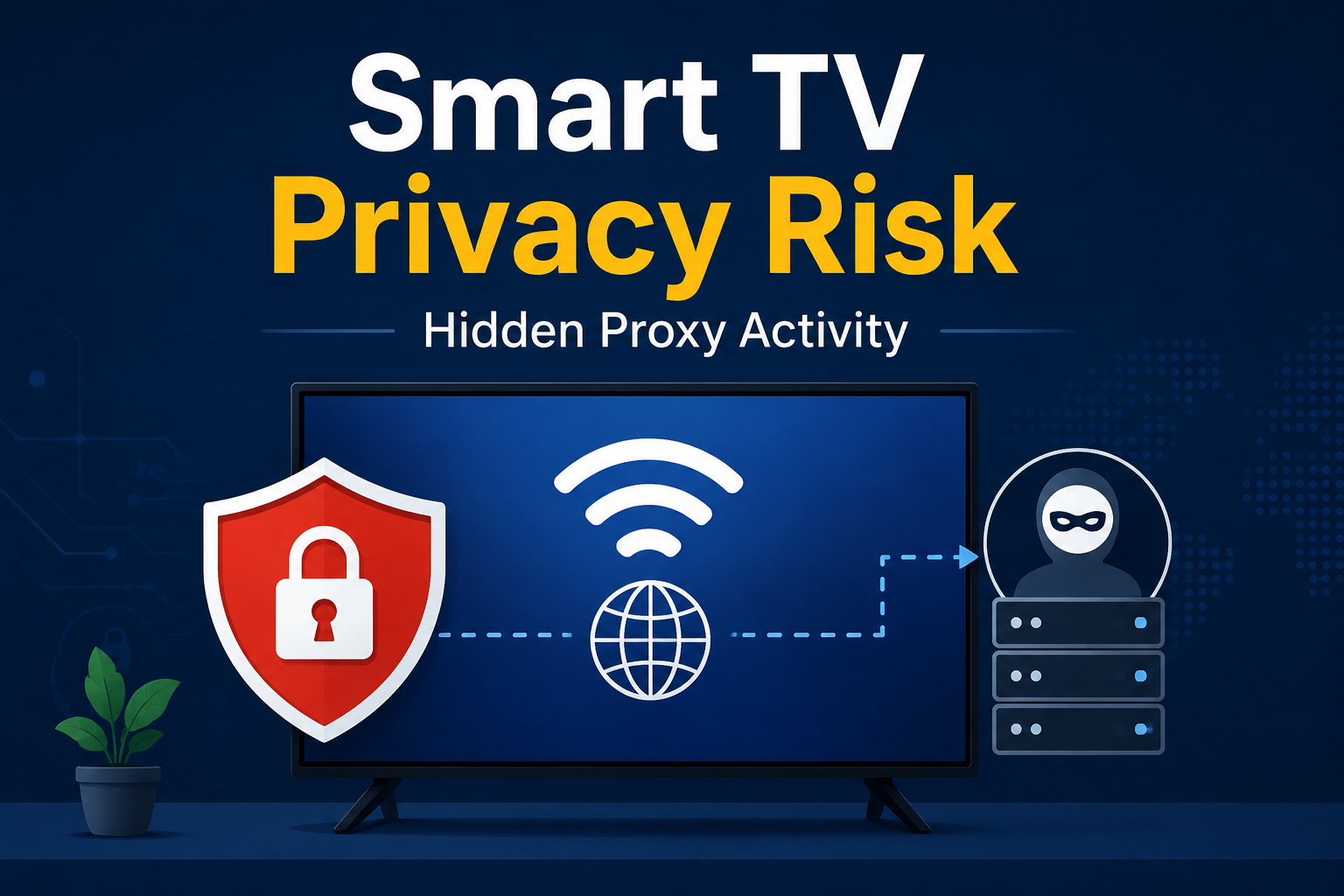
Smart TVs have become a common part of modern households, offering streaming services, gaming, and smart home connectivity. However, new research suggests that some smart TV applications may be doing more than users realize behind the scenes, raising significant Smart TV Privacy Risk.
A large-scale analysis of applications available on LG webOS and Samsung Tizen platforms found that thousands of apps contain proxy software development kits (SDKs) that can transform consumer devices into residential proxy nodes. This allows third parties to route internet traffic through users’ home networks, creating both privacy and security concerns related to Smart TV Privacy Risk.
Researchers examined more than 6,000 smart TV applications and identified over 2,000 apps containing proxy-related components. The findings highlight how connected devices can be leveraged for purposes that extend far beyond their advertised functionality, emphasizing the Smart TV Privacy Risk that consumers face.
How Smart TV Apps Are Being Used
This raises important questions about the Smart TV Privacy Risk and what measures users can take to protect their data.
Many of the identified applications appeared completely harmless and included categories such as screensavers, clock widgets, casual games, and utility tools.
While these apps provided legitimate features to users, some were also running proxy services in the background. These services utilize a device’s internet connection and IP address as part of a larger residential proxy network.
Unlike smartphones and computers, smart TVs are often overlooked from a security perspective. Most users install an app, use it, and rarely review permissions or monitor network activity afterward. Since smart TVs typically remain connected to the internet and powered on for long periods, they provide an attractive platform for continuous background operations.
This environment allows proxy-related activity to run with little visibility, making it difficult for users to understand how their devices and internet connections are being utilized.
How the Monetization Model Works
Developers traditionally generate revenue through advertisements, subscriptions, or in-app purchases. However, some application developers are increasingly adopting proxy SDKs as an additional source of income.
When integrated into an application, these SDKs allow a user’s internet connection to become part of a residential proxy network. Organizations or customers using these proxy services can then route traffic through participating devices.
In return, developers receive compensation based on network usage and participation.
Although users may technically consent to this activity during installation, the disclosure is often buried within lengthy setup processes or permission screens. As a result, many users may not fully understand that their device could continue participating in proxy operations even when the application is not actively being used.
Researchers also noted signs that some applications may have been designed primarily to support proxy infrastructure rather than deliver meaningful functionality to end users.
Security and Privacy Risks
Residential proxy networks are not inherently malicious and can be used for legitimate purposes such as market research, web testing, and content verification. However, the lack of transparency surrounding their operation raises important concerns.
Some of the key risks include:
- Privacy concerns related to internet traffic being routed through residential IP addresses
- Consumption of household bandwidth without clear user awareness
- Potential misuse of proxy networks by malicious actors
- Limited visibility into how network traffic is being managed
The situation becomes more concerning because smart TVs typically share the same network as other sensitive devices. Home routers, network-attached storage systems, security cameras, laptops, and smartphones often coexist on the same network segment.
If proxy controls are improperly configured or fail to function as intended, attackers could potentially exploit these connections to explore other devices within the local environment.
Researchers pointed to previous incidents involving residential proxy infrastructure that demonstrated how attackers can leverage trusted consumer devices as stepping stones for broader malicious activity.
Why Transparency Matters
Analysis of several SDK implementations revealed varying levels of security controls. Some included safeguards designed to prevent access to private network ranges, while others relied heavily on backend systems operated by the proxy provider.
This means users often have little visibility into:
- What traffic is being routed
- Who is using the proxy network
- What security controls are being enforced
- How abuse is monitored and prevented
As smart TVs continue evolving into powerful internet-connected computing platforms, transparency around background activity becomes increasingly important.
Final Thoughts
The research highlights a growing challenge within the connected device ecosystem. While proxy-based monetization offers developers a new revenue stream, it also introduces concerns surrounding privacy, transparency, and security.
Most users purchase smart TVs to watch content, play games, or access online services—not to unknowingly contribute their internet connection to a distributed proxy network.
As connected devices become more capable and more deeply integrated into everyday life, users should pay closer attention to application permissions and vendor practices. Greater transparency from developers and platform providers will be essential to ensuring that convenience does not come at the cost of privacy and security.
About the Author