FHN
FHN 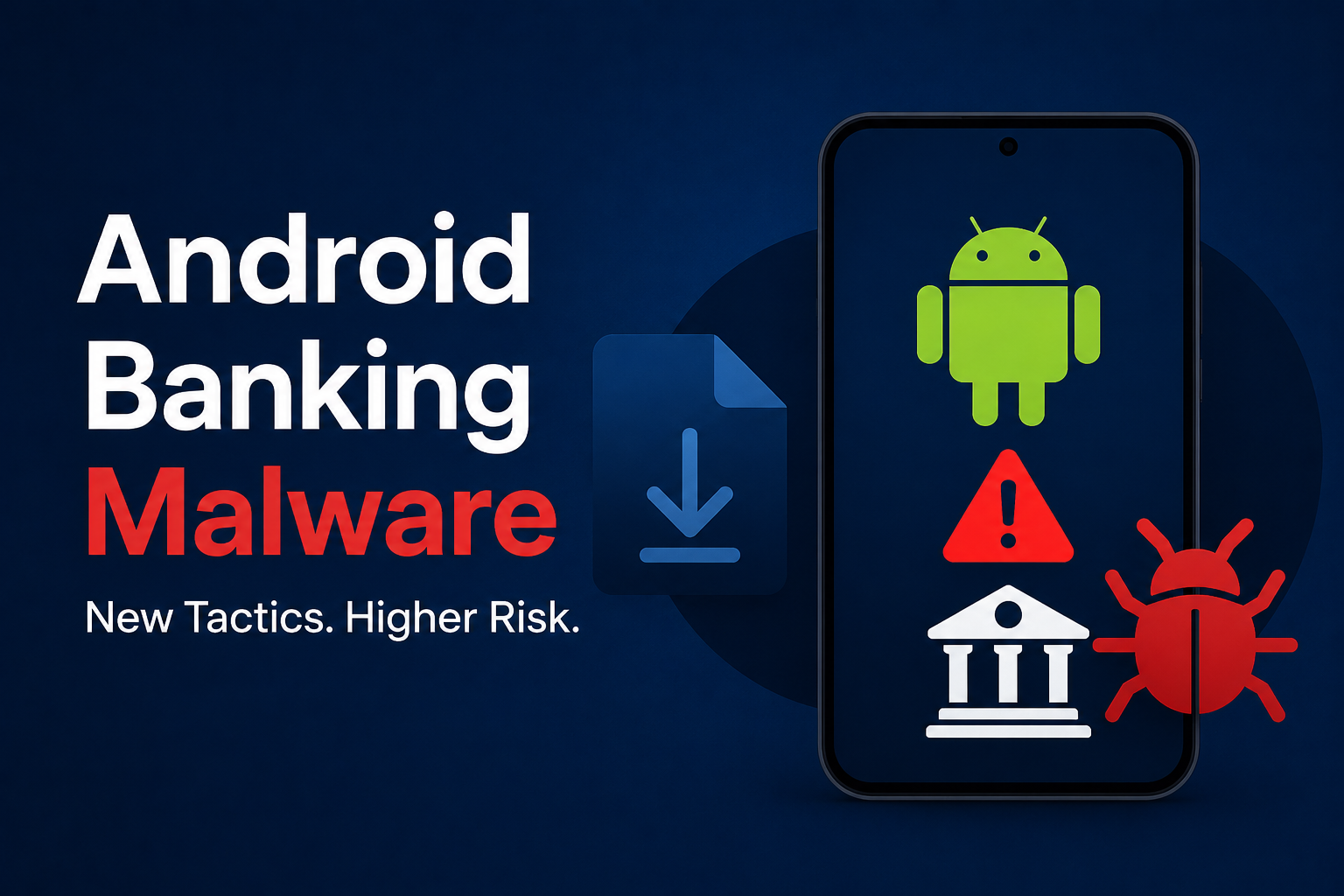
Android banking malware continues to evolve as cybercriminals adopt new methods to avoid detection and bypass app store security checks. Instead of distributing banking malware directly, attackers are increasingly using dropper applications that deliver the malicious payload only after the app has been installed.
According to recent security research, while the overall number of blocked Android malware attacks declined during the second quarter of 2026, banking malware remains one of the most active mobile threats. Rather than disappearing, attackers are changing how their malware is packaged and deployed.
A Shift Toward Dropper-Based Attacks
A dropper is an application that appears harmless but is designed to download or activate malware after installation.
This approach allows attackers to hide the real banking Trojan during the initial app review process. Once the application is installed on a victim’s device, it can retrieve additional malicious components and begin targeting banking credentials.
By separating the delivery mechanism from the actual malware, cybercriminals can update or replace their payloads without creating entirely new malicious applications.
Malicious Apps Disguised as Legitimate Software
Researchers observed attackers disguising malware as legitimate Android applications, including utility and document reader apps.
In one campaign, a PDF reader displayed what appeared to be a routine software update notification. Instead of installing an update, the application downloaded banking malware onto the victim’s device.
These fake update prompts make malicious activity appear normal, increasing the likelihood that users will unknowingly install the malware.
Smarter Delivery Techniques
Modern Android droppers are becoming more selective in how they deliver malware.
Some applications first collect information about where they were downloaded and send that data to a command-and-control (C2) server. The server decides whether to deliver the malicious payload based on the installation source.
This selective delivery helps attackers avoid security researchers, automated analysis tools, and app store review systems while targeting real users.
Banking Malware Continues to Evolve
Security researchers also observed continued activity from well-known Android banking malware families, including Mamont and Creduz.
New variants are being released regularly, suggesting that malware operators are continuously testing new delivery techniques, improving evasion methods, and developing updated versions to avoid detection.
Why This Matters
The growing use of droppers shows that mobile threats are becoming more sophisticated. A reduction in traditional banking Trojan detections does not necessarily indicate a lower risk—it may simply reflect changes in how malware is delivered.
As attackers continue refining their techniques, users and organizations should remain cautious of applications that request unexpected updates or unnecessary permissions.
How to Stay Protected
To reduce the risk of Android banking malware:
- Install apps only from trusted sources.
- Keep Google Play Protect enabled.
- Avoid downloading apps from unofficial websites.
- Be cautious of unexpected in-app update requests.
- Review requested permissions before installing applications.
- Keep Android devices and applications updated.
- Use a reputable mobile security solution.
Conclusion
Android banking malware operators are shifting away from traditional delivery methods and increasingly relying on dropper applications to bypass security controls. As these techniques become more advanced, mobile users and organizations should strengthen their security practices, verify application sources, and remain alert to suspicious app behavior to reduce the risk of financial compromise.
About the Author