FHN
FHN 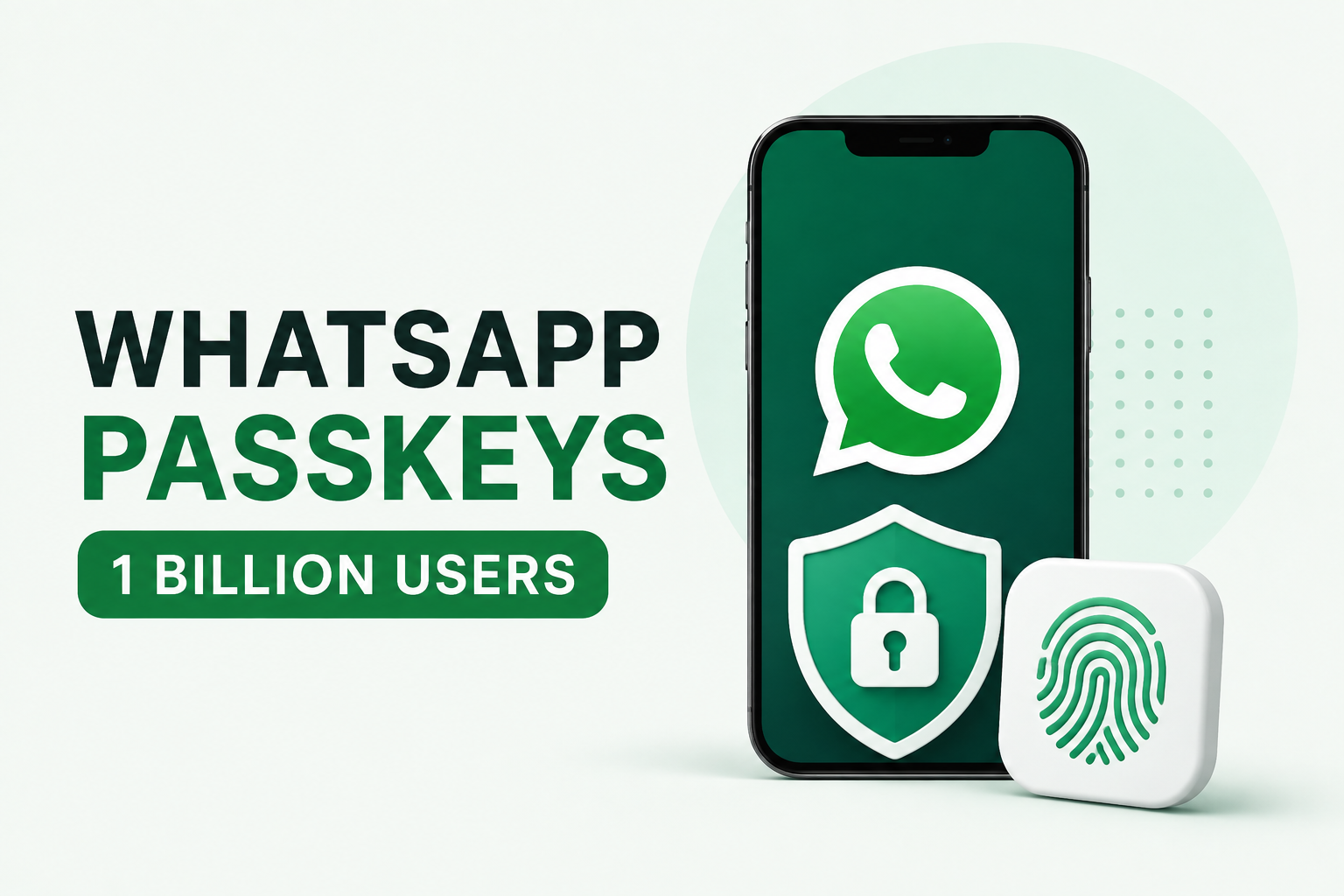
WhatsApp is taking a major step toward stronger and simpler account security. More than 1 billion people are now using WhatsApp passkeys to protect their WhatsApp accounts, making it one of the biggest passwordless authentication rollouts in the consumer technology space.
Along with this milestone, WhatsApp is introducing stronger two-step verification and additional information for calls from unknown numbers. These updates are designed to make accounts harder to compromise while helping users recognize potential scams.
The integration of WhatsApp passkeys is part of WhatsApp’s ongoing commitment to enhancing user safety and privacy.
Passkeys Make WhatsApp Accounts Safer
Passkeys allow users to sign in using security features already available on their devices, such as a fingerprint, Face ID, or screen lock. Unlike traditional passwords or SMS codes, passkeys use cryptographic credentials that remain securely associated with the user’s device.
This makes them much more resistant to phishing, credential theft, and other attacks that depend on tricking users into revealing login information.
WhatsApp has now reached more than 1 billion passkey users and is expanding support for people who use multiple devices or switch between Android and iPhone.
Users can manage their passkeys through Settings > Account > Passkeys, where they can add or review their available credentials.
The milestone is significant because messaging accounts contain valuable personal information and are increasingly targeted by attackers looking to steal conversations, impersonate users, or target their contacts.
Stronger Two-Step Verification
WhatsApp is also giving its two-step verification system a security upgrade. Instead of relying only on the traditional six-digit PIN, users can now create a stronger password.
The new password must be at least eight characters long, with at least one letter and one number. Users can also add special characters for additional protection.
A longer password provides a much larger combination of possible values than a short numeric PIN, making simple guessing and automated attacks more difficult.
Users who have been using an easy-to-guess PIN should take this opportunity to switch to a unique and stronger password.
More Context for Unknown Calls
WhatsApp is also adding another layer of protection against scams by providing more information when users receive calls from unknown numbers on Android.
The incoming call screen can show details such as whether the number is from another country or whether the caller shares a group with the recipient.
This additional context can help users pause before answering a suspicious call or responding to an unexpected request. That is particularly useful because many scams rely on urgency and social engineering rather than technical exploits.
Together, passkeys, stronger two-step verification, and improved caller information give WhatsApp users several layers of protection against phishing, account takeovers, and social-engineering attacks.
For users, the message is straightforward: enable passkeys when available, use a strong two-step verification password, and be cautious when dealing with unfamiliar callers or unexpected requests for sensitive information.
About the Author