FHN
FHN 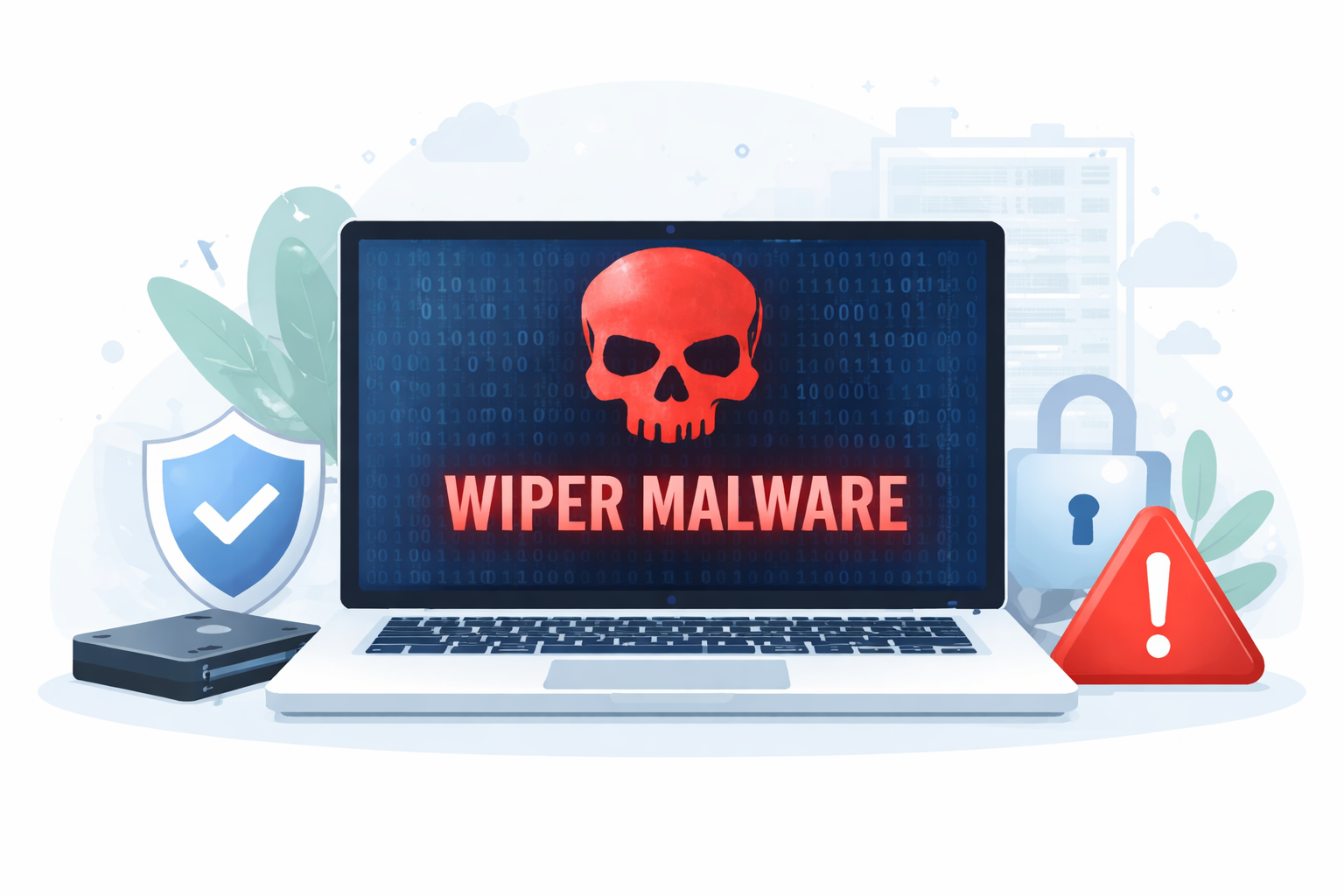
Cybersecurity agencies around the world are warning about the growing risk of wiper malware. This type of malicious software is designed to destroy data instead of stealing it. Recent alerts from authorities indicate that the threat is increasing and could impact organizations that depend heavily on digital systems.
Unlike many traditional cyberattacks that focus on financial gain, wiper malware aims to cause maximum disruption. Once it infects a system, it can erase important information and damage operating systems, making recovery extremely difficult.
What is Wiper Malware
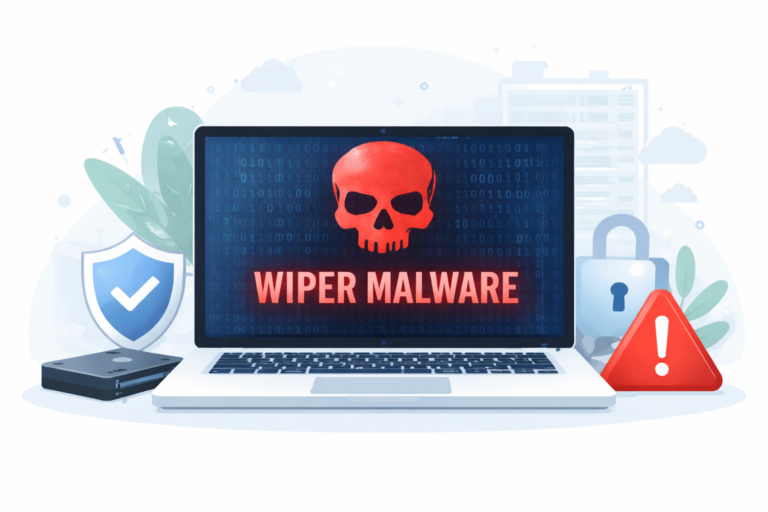
Wiper malware is a type of malicious software created to erase data, corrupt files, and damage operating systems. When activated, it begins deleting important files and may overwrite storage sectors so that the data cannot be recovered. Because of this destructive design, the main goal of the attack is to disrupt operations rather than extract financial value.
Key characteristics of wiper malware include
- Permanent deletion of files and system data
- Corruption of operating systems and boot records
- Disruption of entire networks and infrastructure
These capabilities allow attackers to cause severe operational damage within a short time.
Why Security Authorities Are Raising Concerns
Cybersecurity authorities are raising warnings because destructive malware campaigns have increased in recent years. Many attackers are shifting from traditional data theft to attacks that focus on operational damage and disruption.
Wiper malware is particularly dangerous because it can spread across connected systems and destroy large volumes of data. If organizations do not have reliable backup systems or recovery plans, restoring operations can take significant time and resources.
How Wiper Malware Enters a Network
Like many cyber threats, wiper malware typically enters a network through common attack techniques. Phishing emails, unpatched vulnerabilities, and compromised credentials are often used as the initial entry point.
Once attackers gain access, they may move across multiple systems within the network before deploying the destructive payload. This allows the malware to affect several machines at the same time, increasing the overall damage.
Potential Impact on Organizations
The impact of a wiper malware attack can be severe because the data destruction is usually permanent. Organizations may lose important files, operational systems, and access to critical services.
Possible consequences include
- Loss of sensitive and operational data
- Shutdown of business systems and services
- Financial losses caused by downtime
- Reputational damage and regulatory challenges
Organizations that do not maintain proper backups or incident response plans may struggle to recover quickly.
How Organizations Can Reduce the Risk
Organizations can lower the risk of destructive malware by strengthening their cybersecurity practices. Maintaining regular offline backups, applying system updates, and monitoring networks for unusual activity are important steps.
Security awareness training for employees is also essential, since phishing emails remain one of the most common entry points for malware attacks.
Conclusion
Wiper malware represents a serious cyber threat focused on destruction rather than financial gain. As cybersecurity authorities continue to warn about the growing risk, organizations must ensure that their defenses, monitoring capabilities, and backup strategies are strong enough to withstand such attacks.
Preparing in advance is essential to minimize disruption and protect critical digital infrastructure.
About the Author