FHN
FHN 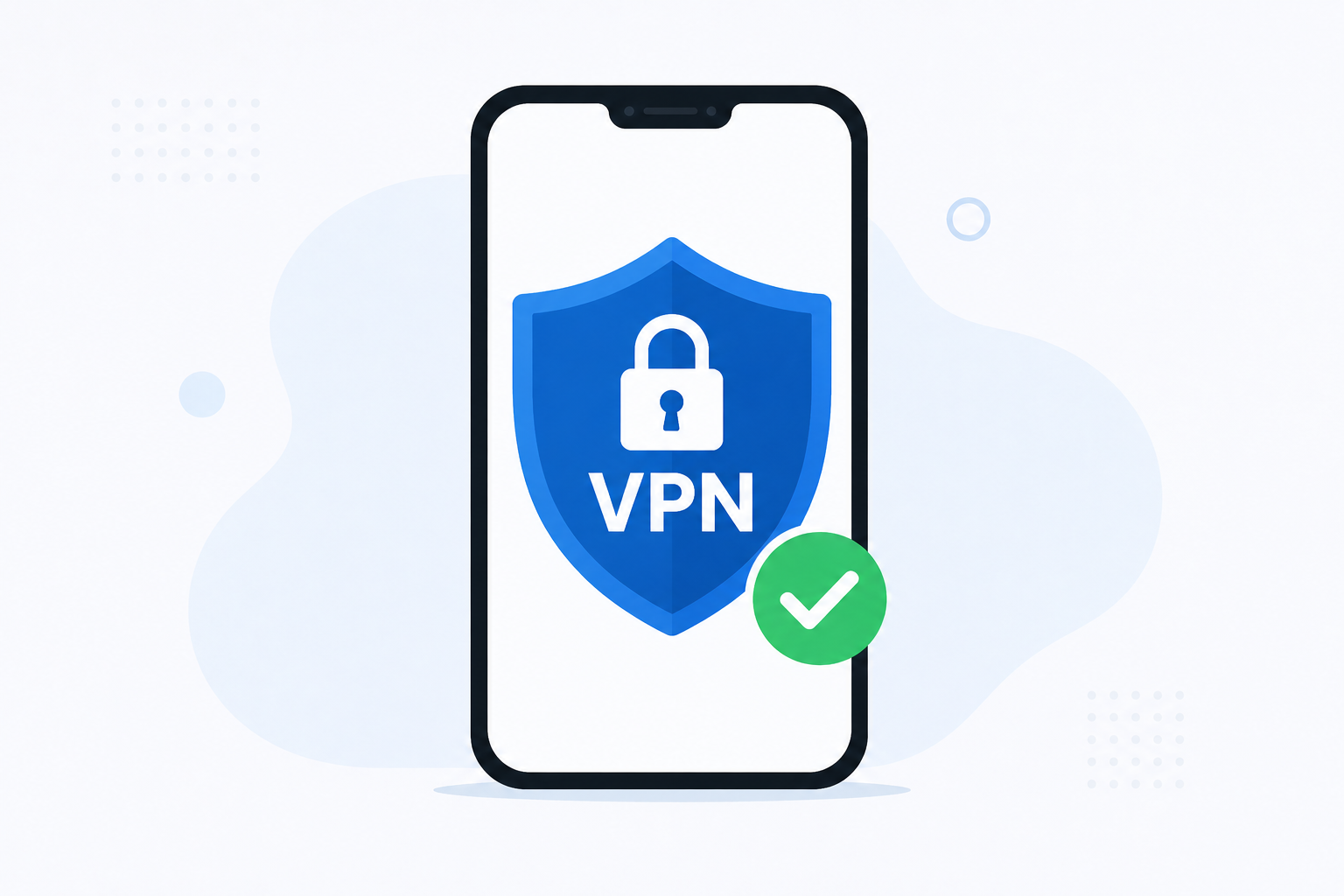
Virtual Private Networks (VPNs) are widely used to protect online privacy, encrypt internet traffic, and secure users on public networks. However, a recent security analysis has revealed that 281 Android VPN applications may expose users to serious privacy and security risks instead of protecting them.
Researchers identified multiple issues, including traffic leaks, third-party tracking, weak encryption practices, and VPN tunnel hijacking, raising concerns about the security of many Android VPN services.
Security Risks Behind Insecure VPN Apps
The primary purpose of a VPN is to route all internet traffic through an encrypted tunnel, preventing unauthorized parties from monitoring user activity. However, researchers found that many Android VPN apps fail to protect all network traffic.
In some cases, DNS requests, IPv6 connections, and certain application traffic bypass the encrypted VPN tunnel, exposing information such as browsing activity, IP addresses, and other network metadata. These leaks are particularly concerning when users connect to public Wi-Fi networks, where attackers may monitor or manipulate exposed traffic.
The research also found that several VPN applications contain advertising, analytics, and tracking software development kits (SDKs). These components can collect device identifiers, approximate location data, application usage statistics, and other telemetry. While some data collection may support diagnostics or performance monitoring, excessive tracking contradicts the privacy expectations users typically associate with VPN services.
Another concern is VPN tunnel hijacking, where malicious Android applications may exploit weaknesses in a VPN app’s implementation to misuse its network connection or interfere with its operation. Although Android has introduced security improvements over recent releases, poorly implemented VPN applications can still expose users to unnecessary risks.
Recommendations for Android Users
Users should carefully evaluate VPN applications before installing them and avoid assuming that every VPN service provides the same level of security.
To improve protection, consider the following best practices:
- Choose reputable VPN providers with transparent ownership and privacy policies.
- Prefer providers that have completed independent security audits.
- Select VPNs that offer DNS leak protection, IPv6 protection, and a reliable kill switch.
- Review requested permissions before installing any VPN application.
- Keep Android devices and VPN apps updated with the latest security patches.
- Enable Android’s Always-on VPN and Block connections without VPN settings when available.
- Avoid installing unknown or untrusted applications alongside VPN software, especially on devices used for work or sensitive activities.
As VPN usage continues to grow, this research highlights the importance of choosing trusted providers rather than relying solely on marketing claims. A VPN can only protect user privacy if it is implemented securely, maintained properly, and supported by transparent data-handling practices. Regular updates, careful provider selection, and good security hygiene remain essential for safeguarding personal and organizational data.
About the Author