FHN
FHN 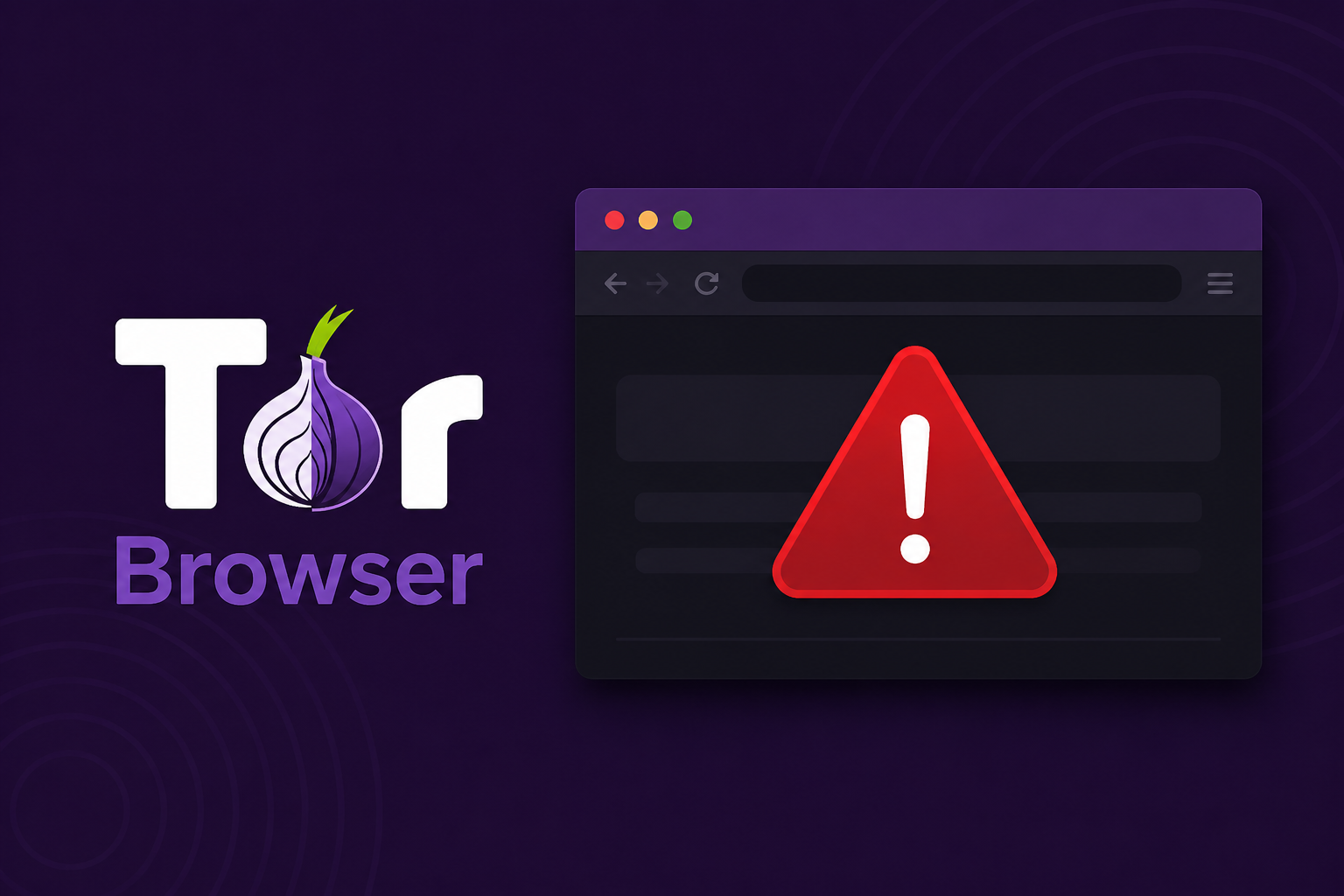
Cybersecurity researchers have revealed that a single malicious webpage can compromise users running an unpatched version of Tor Browser. The attack exploits a high-severity vulnerability, CVE-2026-10702, which allows attackers to execute malicious code simply by convincing a victim to visit a specially crafted website.
The vulnerability was first identified in Mozilla Firefox, and because Tor Browser is built on Firefox, it inherited the same security flaw until patches were released. Researchers from Nebula Security successfully demonstrated the exploit, highlighting the importance of keeping Tor Browser up to date.
How the Attack Works
The vulnerability exists within Firefox’s SpiderMonkey JavaScript engine, specifically in its Just-In-Time (JIT) compiler. This component improves browser performance by converting JavaScript into machine code while webpages are being loaded.
Researchers discovered that under certain conditions, the JIT compiler incorrectly manages memory during JavaScript optimization. This creates a use-after-free (UAF) vulnerability, allowing attackers to manipulate memory and execute arbitrary code within the browser process.
Unlike many browser attacks that rely on downloading malicious files or tricking users into approving software installations, this attack requires only that a victim visits a malicious webpage. Once the page loads, the exploit can be triggered automatically on vulnerable versions.
Why Tor Browser Users Are at Risk
Tor Browser is designed to protect users’ privacy and anonymity by routing internet traffic through the Tor network. However, browser-level vulnerabilities remain a significant risk because they can compromise the browser before Tor’s privacy protections can fully safeguard the user’s activity.
If attackers successfully exploit the browser, they may be able to:
- Execute malicious code on the victim’s system.
- Steal sensitive browser data.
- Bypass browser security protections.
- Potentially weaken a user’s privacy and anonymity.
This demonstrates that even privacy-focused browsers depend heavily on the security of their underlying browser engine.
Researchers Confirm the Exploit
According to the research, the vulnerability affects the browser’s JavaScript optimization process, where incorrect memory handling creates an opportunity for attackers to reuse invalid memory references. This can provide the building blocks needed to gain greater control over the browser process.
The researchers responsibly disclosed the vulnerability to Mozilla, allowing security updates to be developed and released before detailed technical information became widely available.
Security Updates Are Available
Mozilla addressed the vulnerability in Firefox 151.0.3, while the Tor Project later incorporated the fix into Tor Browser 15.0.19.
Users running the latest Tor Browser release are protected against this specific vulnerability. Anyone using older versions should update immediately to reduce the risk of exploitation.
How to Stay Protected
The best defense against browser-based attacks is to keep software fully updated. Users should always download Tor Browser from the official Tor Project website and install new security updates as soon as they become available.
In addition, organizations and individuals should:
- Keep Tor Browser updated to the latest version.
- Apply Firefox security updates promptly.
- Avoid visiting suspicious or untrusted websites.
- Use endpoint security solutions that can detect suspicious browser activity.
- Monitor systems for unusual processes or unexpected browser behavior.
Conclusion
The discovery of CVE-2026-10702 serves as a reminder that browser vulnerabilities can pose serious risks, even for applications built around privacy and anonymity. While the Tor network provides strong protection against online tracking, it cannot compensate for vulnerabilities within the browser itself. Regular software updates, timely patch management, and safe browsing practices remain essential for protecting both security and privacy against evolving browser-based threats.
About the Author