FHN
FHN 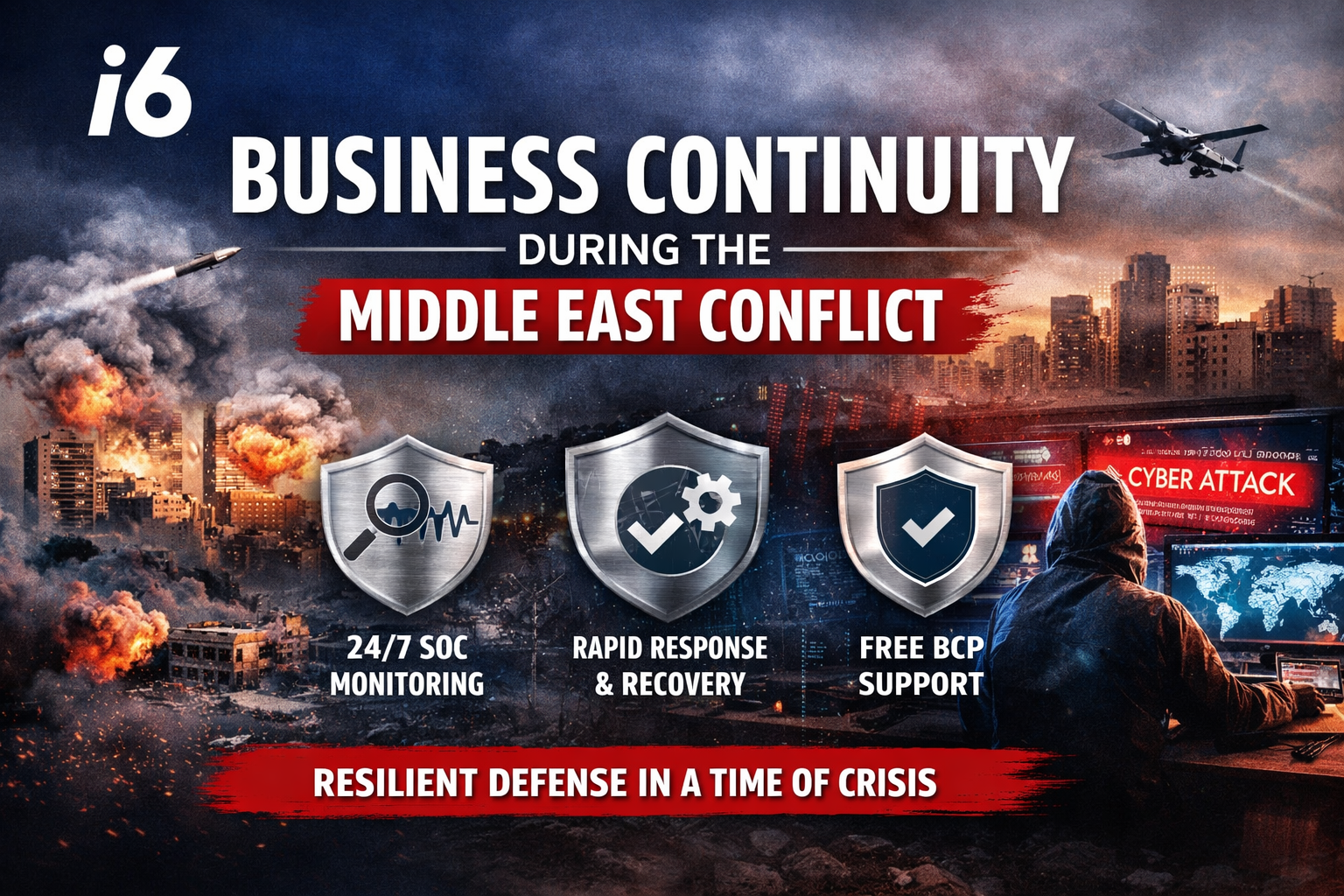
The ongoing Middle East conflict has significantly elevated cyber risk across the region. During periods of geopolitical tension, cyberattacks increase in frequency, coordination, and intent. Organizations across finance, energy, telecom, government, and large enterprises are facing intensified disruption attempts, including DDoS campaigns, ransomware operations, infrastructure targeting, and supply chain exploitation.
In such an environment, cybersecurity controls alone are not sufficient.
What determines resilience during conflict is the strength of Business Continuity Planning (BCP) combined with real-time cyber defense operations.
The Shift From Security to Continuity
Traditional cybersecurity focuses on detection and response. During active regional conflict, that approach must evolve into operational resilience.
Follow Us on: Linkedin, Instagram, Facebook to get the latest security news!
Business Continuity ensures that critical operations remain functional despite sustained cyber pressure. It defines executive decision authority during crisis, structures communication channels, aligns legal and compliance obligations, and prioritizes recovery timelines based on business impact.
When war tensions escalate, tolerance for downtime disappears. Customers expect uninterrupted service. Regulators expect accountability. Stakeholders expect leadership clarity. Organizations without a tested continuity framework risk turning a cyber incident into a full-scale operational disruption.
Elevated Threat Conditions Require Elevated Readiness
The current regional instability demands a higher defensive posture. This includes continuous monitoring, validated backup integrity, predefined executive escalation paths, and tight coordination between security operations and leadership.
A mature continuity-driven model integrates:
- 24×7 Security Operations and incident management
- Advanced threat detection and correlation
- MITRE ATT&CK–aligned investigations
- Rapid containment and structured recovery
- Executive-level reporting and crisis coordination
Security tools are critical, but without structured continuity alignment, even strong detection capabilities can fall short under sustained attack pressure.
Multi-Platform Security Expertise
Effective resilience requires seamless operation across enterprise ecosystems. i6 brings deep experience across leading SIEM, XDR, and EDR platforms, including Microsoft Sentinel, IBM QRadar, Splunk, ArcSight, Google Chronicle, CrowdStrike Falcon, VMware Carbon Black, Microsoft Defender, and other enterprise-grade technologies.
Our approach reinforces existing security investments while strengthening response coordination and operational stability.
i6 Commitment During the Current Middle East Conflict
In response to the elevated cyber threat landscape created by the ongoing Middle East war tensions, i6 is extending FREE SOC monitoring and Business Continuity reinforcement support to eligible organizations operating within the region.
This initiative reflects our belief that during periods of regional instability, cybersecurity responsibility extends beyond commercial engagement. Operational continuity becomes a shared priority.
Our objective is clear: strengthen detection, accelerate response, and help organizations maintain operational stability despite heightened risk conditions.
Continuity Defines Leadership
Business Continuity is not a document prepared for audits. It is an executive discipline that determines whether an organization absorbs disruption or withstands it.
During the current Middle East environment, resilience is no longer optional. Organizations that remain operational during instability are not necessarily those without incidents. They are those with structured readiness and continuity-driven defense.
At i6, we stand ready to reinforce that resilience when it matters most.
About the Author