FHN
FHN 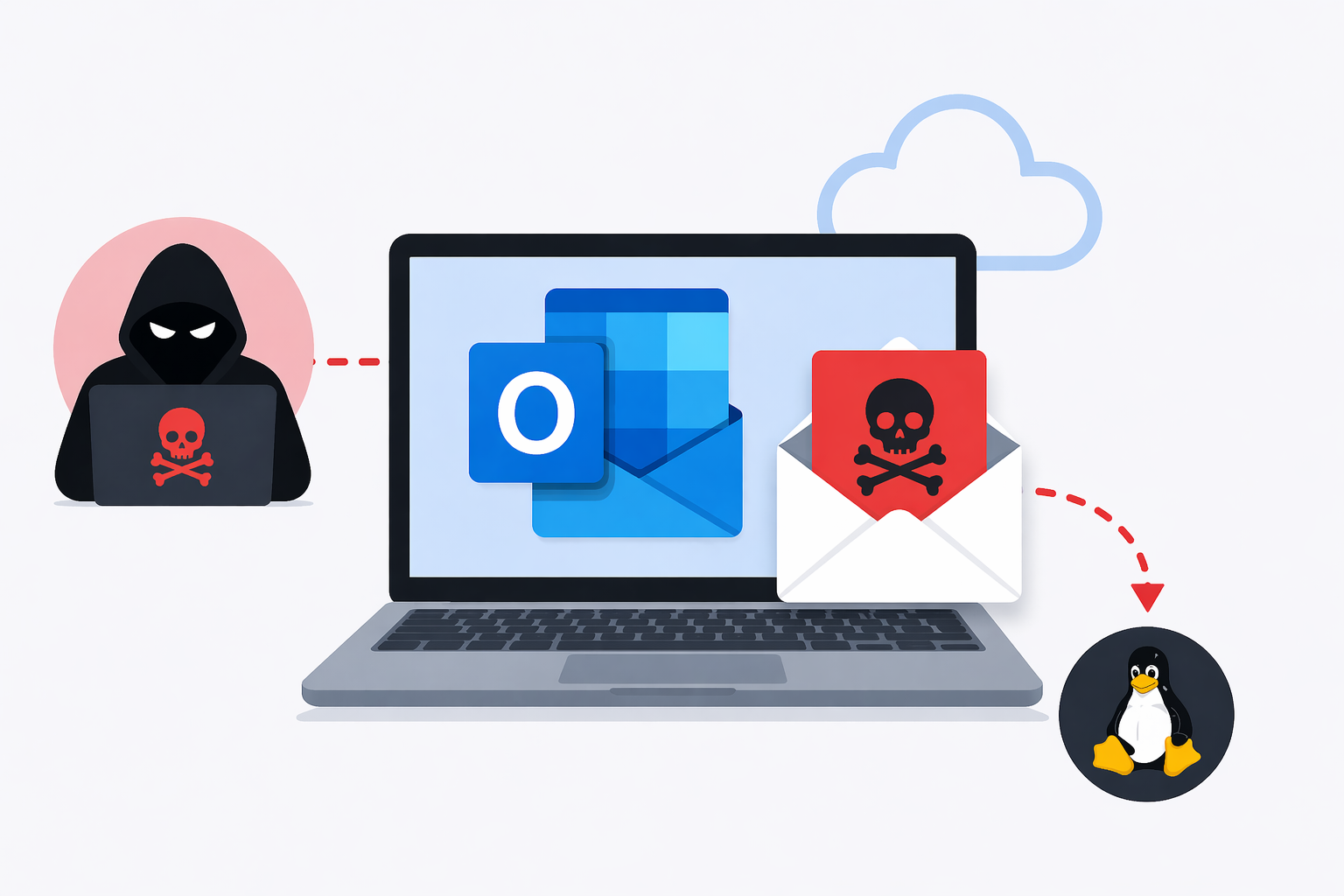
A nation-state–linked threat group known as Harvester has developed a more advanced way to hide its malicious activity by using Microsoft Outlook as part of its attack infrastructure. Instead of relying on traditional command-and-control servers, the attackers are now sending instructions through real Outlook mailboxes, making the activity appear legitimate and much harder to detect.
This campaign involves a Linux version of the GoGra backdoor, showing that the group is expanding beyond its earlier Windows-based operations. By using trusted cloud services, the malware blends into normal network traffic, allowing it to bypass many standard security tools that typically look for suspicious external connections.
The attack appears to focus on espionage rather than financial gain. Evidence suggests that targets are mainly located in South Asia, with attackers using region-specific document names to make their phishing attempts more convincing. This level of targeting shows a carefully planned and strategic operation.
Outlook Mailbox Malware Explained
The attackers gain access through social engineering, tricking users into opening files that appear harmless. These files are often disguised as official documents, but they actually contain hidden malicious code.
Once the file is opened, the malware quietly installs itself in the background. It avoids drawing attention while setting up persistence, ensuring it can continue running even after the system is restarted.
Some key characteristics of the infection process include:
- Disguised files that look like PDFs or official documents
- Malware hidden inside Linux executable files
- Silent installation without visible signs
- Persistence mechanisms that allow it to survive reboots
This approach makes it difficult for users to realize they have been infected until much later.
How the Backdoor Uses Microsoft Infrastructure
What makes this attack particularly sophisticated is how it uses Microsoft’s own services as a communication channel. Instead of connecting to suspicious servers, the malware interacts with legitimate cloud infrastructure, which helps it stay hidden.
After installation, the backdoor uses Microsoft APIs to communicate with a real Outlook mailbox. It regularly checks for new messages that contain instructions from the attacker. These commands are processed on the infected system, and the results are sent back through email responses.
The malware is designed to clean up after itself, deleting messages once they are used. This reduces traces of the attack and makes forensic investigation more difficult.
The main capabilities of the backdoor include:
- Receiving commands through Outlook mailbox messages
- Executing those commands on the infected machine
- Sending results back via email
- Removing evidence after communication
Because all of this happens through trusted services, the activity can easily go unnoticed in normal network monitoring.
Why This Attack Is Concerning
This campaign highlights a growing trend where attackers abuse legitimate platforms to hide their operations. By using trusted services like Microsoft’s cloud, they can bypass many traditional defenses that rely on detecting suspicious traffic.
The impact of such an attack can be serious. Attackers may gain long-term access to systems, collect sensitive data, and monitor user activity without being detected. Since the malware operates quietly and removes traces of its actions, it can remain active for extended periods.
This also shows how threat actors are evolving their techniques, moving toward more stealthy and persistent methods. Organizations can no longer rely only on basic perimeter defenses and must adopt more advanced monitoring strategies.
To reduce risk, security teams should pay close attention to unusual system behavior, unexpected background services, and abnormal use of cloud APIs. Monitoring activity from endpoints that do not typically interact with such services can help identify potential threats early.
Follow Us on:Linkedin, Instagram, Facebook to get the latest security news!
About the Author