FHN
FHN 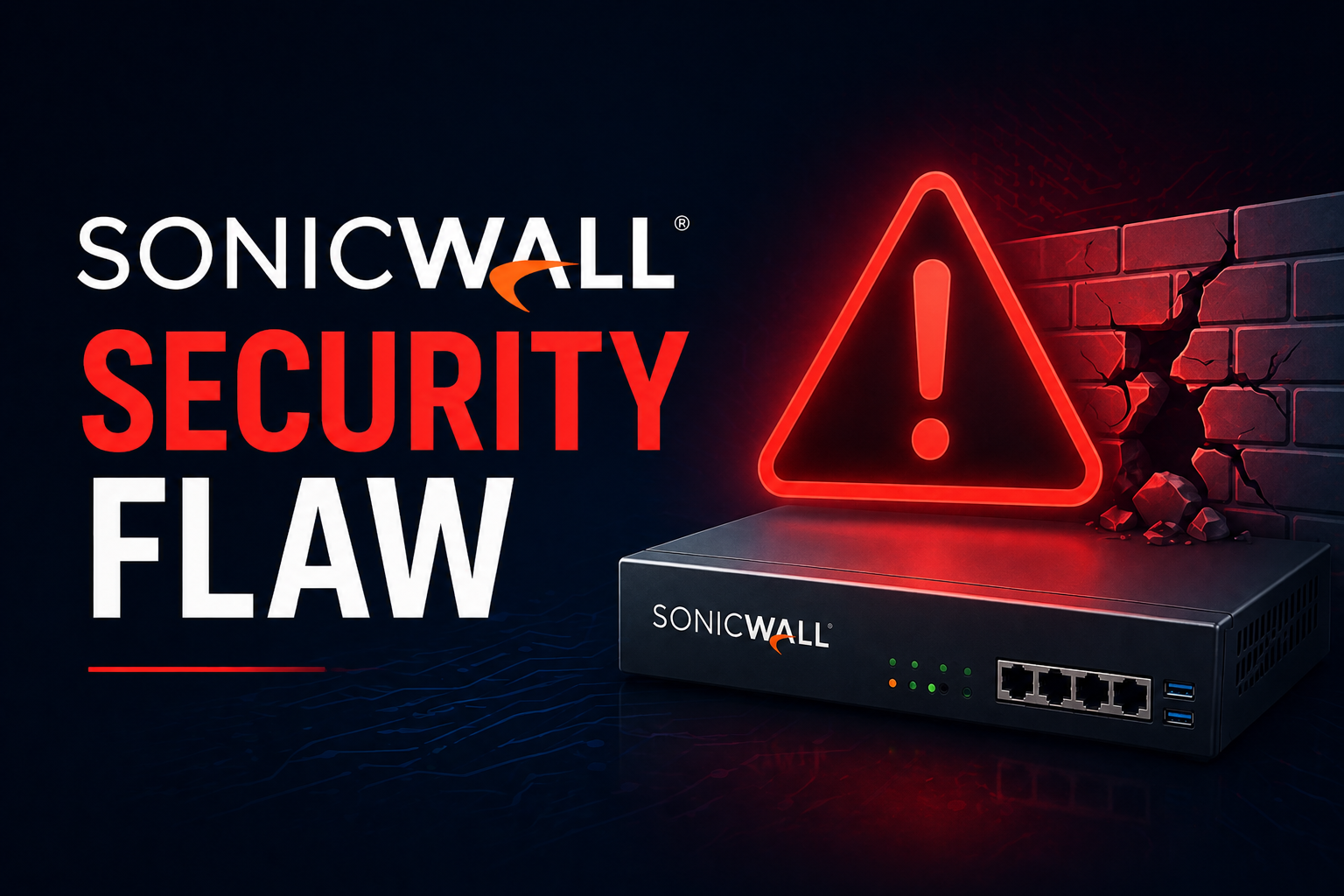
SonicWall has disclosed multiple security issues in its SonicOS software that could impact firewall security and availability. These vulnerabilities, revealed in a recent advisory, could allow attackers to bypass access controls, access restricted areas, and even crash firewall systems.
While some of these issues require prior access or valid credentials, the overall risk remains significant—especially for organizations relying heavily on SonicWall firewalls to protect their networks. Immediate attention and updates are strongly recommended.
Major Security Risks Identified
The most serious issue involves a flaw in how access controls are handled. Under certain conditions, an attacker on a nearby network could bypass normal authentication checks and gain access to sensitive management functions.
This type of access can be highly dangerous. If exploited, attackers may be able to:
- Change firewall rules
- Disable security protections
- Modify system configurations
In addition to this, two other vulnerabilities affect users who already have access to the system. One allows attackers to move outside restricted directories and interact with protected services, while another can overload the system and force the firewall to crash.
Breakdown of the Vulnerabilities
The advisory highlights three key issues that administrators should be aware of:
- Access control bypass flaw – Allows unauthorized access to management functions from adjacent networks
- Path traversal issue – Lets authenticated users reach restricted system areas
- Buffer overflow vulnerability – Can be used to crash the firewall and disrupt operations
Each of these issues presents a different level of risk, but together they create a serious security concern for affected systems.
What Organizations Should Do
SonicWall has provided fixes and recommended actions to reduce the risk. Organizations using SonicOS should review the advisory and apply updates as soon as possible.
Delaying patches could leave systems exposed to attacks that impact both security and uptime. Ensuring that firewall software is up to date is critical to maintaining a strong defense.
These vulnerabilities highlight how even core security systems like firewalls can become targets. A single flaw can lead to access bypass or service disruption, affecting the entire network.
Staying updated, applying patches quickly, and monitoring systems closely remain essential steps in preventing such risks.
About the Author