FHN
FHN 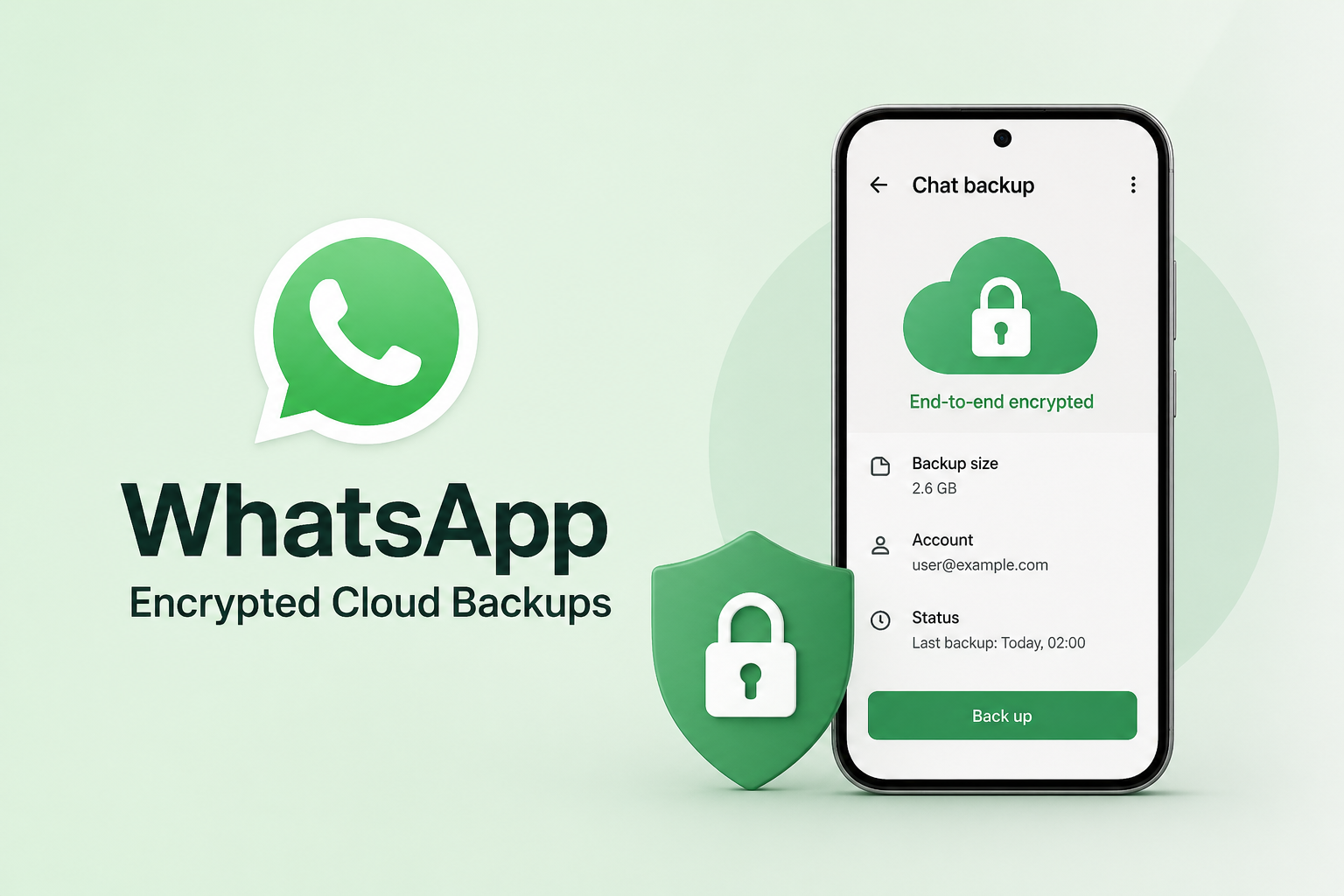
WhatsApp is developing a new cloud backup system that shifts away from relying entirely on third-party services like Google Drive and iCloud. The idea is to bring backup storage under its own control, giving users a more secure and dedicated space for their chats, media, and files.
With this approach, users will no longer have to depend on shared cloud storage limits. Instead, WhatsApp aims to provide its own storage environment specifically built for messaging data. This is especially important as chat backups today include large files like high-resolution images, videos, and voice notes, which quickly consume available space.
All data stored in this system will be protected with end-to-end encryption by default. This means that messages remain private, and even WhatsApp itself cannot access the content. By keeping backups encrypted at all times, the platform is aiming to reduce the risk of unauthorized access or data exposure.
Enhanced Security with Passkeys
To strengthen protection further, WhatsApp is planning to introduce passkey-based authentication for backup access. Instead of using traditional passwords or long encryption keys, users will be able to unlock their backups using biometric methods such as fingerprint or facial recognition.
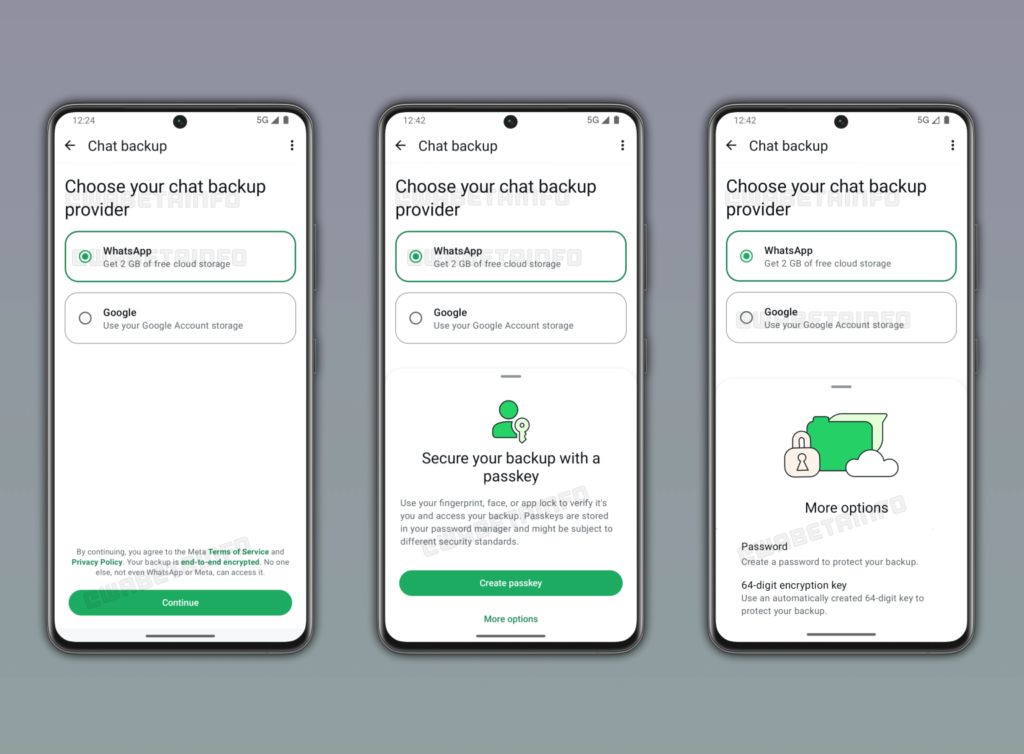
This makes the process both simpler and more secure. The authentication is tied directly to the user’s device, which reduces the risk of attacks like phishing, credential theft, or brute-force attempts. The passkey is securely stored and can sync across trusted devices, allowing users to restore backups without needing to remember complex credentials.
At the same time, WhatsApp is expected to keep alternative options available. Users who prefer using passwords or encryption keys will still have that choice, ensuring flexibility for different security preferences.
Storage Options and Rollout Plans
The upcoming system is also expected to introduce dedicated storage plans for backups. Early expectations suggest a small free storage tier for basic use, along with larger paid options for users who need more capacity. This would allow users to manage their backup storage without affecting their personal cloud accounts.
Despite this shift, WhatsApp is likely to continue supporting third-party backups for users who prefer their current setup. This ensures a smoother transition without forcing immediate changes.
The feature is still in development and has not yet been released publicly. It is expected to go through multiple testing phases to ensure stability, security, and compatibility with existing systems before a wider rollout begins.
This move reflects a broader industry trend toward building self-contained ecosystems that prioritize privacy, security, and better control over user data, rather than relying entirely on external platforms.
About the Author